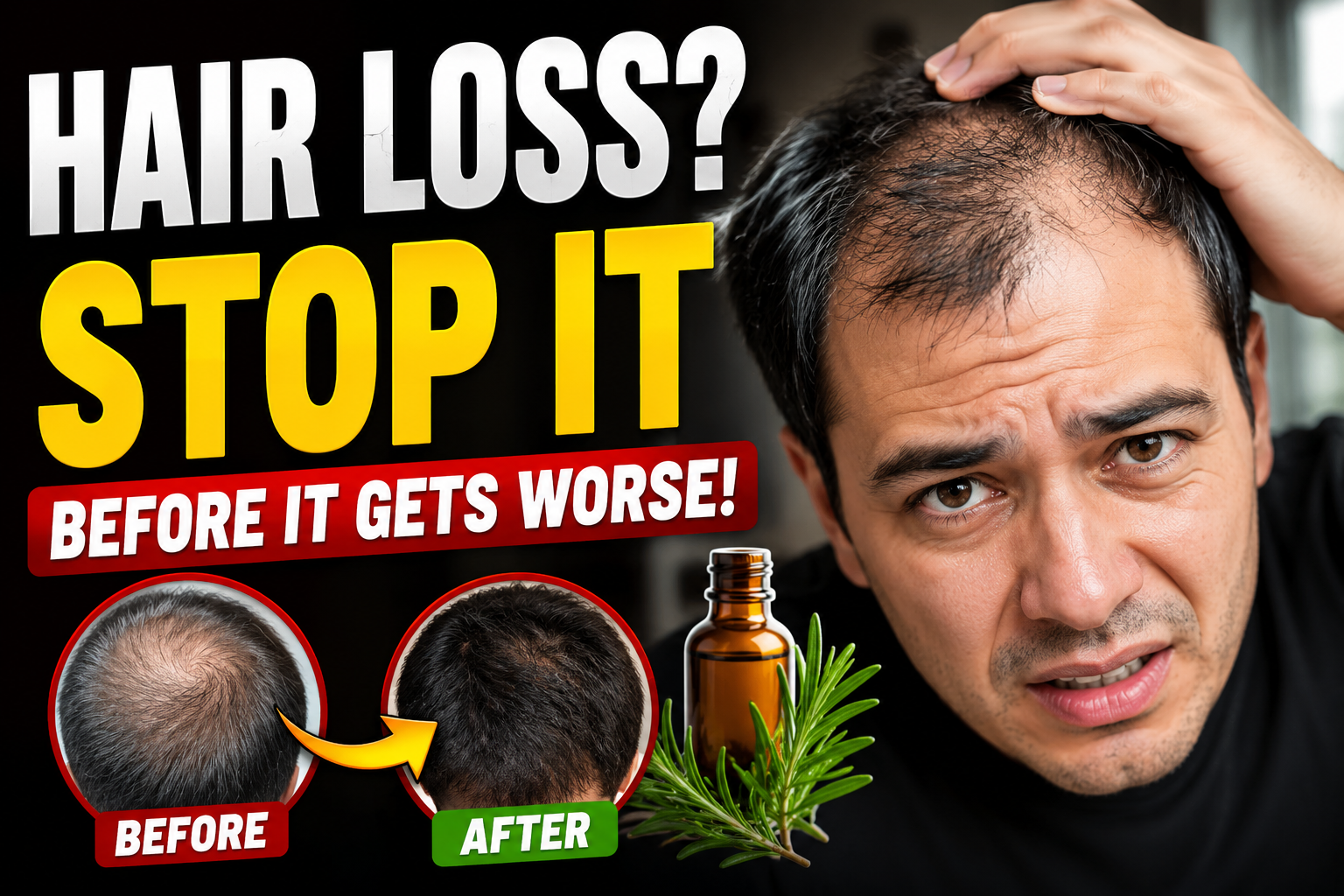
Hair loss is one of the most common concerns affecting people around the world. Whether you’re noticing more hair on your pillow, finding extra strands in the shower drain, or seeing your hairline slowly change, it can be frustrating and emotionally challenging.
The good news is that hair loss is often manageable when you understand its root cause. In many cases, simple lifestyle changes, proper nutrition, and early treatment can help slow down or even reverse hair thinning.
In this guide, we’ll explore the most common hair loss causes and treatment options, along with practical steps you can take to maintain healthier hair.
Table of Contents
- What Is Hair Loss?
- Common Causes of Hair Loss
- Signs You Should Not Ignore
- Hair Loss Treatment Options
- Natural Ways to Reduce Hair Fall
- Foods That Support Hair Growth
- When to See a Doctor
- Frequently Asked Questions
- Final Thoughts
What Is Hair Loss?
Losing some hair every day is completely normal. Most people shed between 50 and 100 hairs daily as part of the natural hair growth cycle.
Hair loss becomes a concern when shedding increases significantly or when new hair fails to grow back at the same rate. This can lead to thinning hair, a widening part line, receding hairlines, or noticeable bald patches.
Common Causes of Hair Loss
1. Genetics
One of the leading causes of hair loss is hereditary pattern baldness. This condition can affect both men and women and often develops gradually over time.
2. Stress
Physical or emotional stress can disrupt the hair growth cycle. Major life events, illness, surgery, or prolonged anxiety may trigger temporary hair shedding.
3. Nutritional Deficiencies
Hair follicles require nutrients to grow properly. Low levels of iron, zinc, protein, vitamin D, and other essential nutrients may contribute to hair thinning.
4. Hormonal Changes
Pregnancy, menopause, thyroid disorders, and hormonal imbalances can influence hair growth and increase hair loss.
5. Medical Conditions
Certain health conditions, including autoimmune disorders and scalp infections, may result in excessive hair shedding or patchy hair loss.
6. Harsh Hair Treatments
Frequent bleaching, chemical treatments, excessive heat styling, and tight hairstyles can weaken hair strands and damage follicles.
Signs You Should Not Ignore
While occasional shedding is normal, some symptoms deserve attention:
- Sudden increase in hair fall
- Bald spots or patchy hair loss
- Receding hairline
- Excessive scalp itching
- Hair becoming noticeably thinner
- Significant hair loss after illness
Early intervention often leads to better outcomes.
Hair Loss Treatment Options
Improve Your Diet
A balanced diet plays a vital role in hair health. Include foods rich in protein, iron, omega-3 fatty acids, and vitamins.
Manage Stress
Regular exercise, meditation, quality sleep, and stress-management techniques may help reduce stress-related hair loss.
Medical Treatments
Depending on the cause, healthcare professionals may recommend medications, topical treatments, or specialized therapies.
Scalp Care
Keeping the scalp clean and healthy can create a better environment for hair growth. Choose gentle hair care products that suit your hair type.
12 Natural Ways to Prevent Hair Fall
- Eat enough protein daily.
- Stay hydrated.
- Get adequate sleep.
- Manage stress effectively.
- Avoid excessive heat styling.
- Limit harsh chemical treatments.
- Massage your scalp regularly.
- Protect hair from sun damage.
- Avoid tight hairstyles.
- Maintain a healthy weight.
- Address vitamin deficiencies.
- Follow a consistent hair care routine.
These habits support overall hair health and may reduce unnecessary shedding.
Foods That Support Hair Growth
Nutrition plays a major role in maintaining strong and healthy hair.
Consider including:
- Eggs
- Salmon
- Spinach
- Lentils
- Greek yogurt
- Nuts and seeds
- Sweet potatoes
- Berries
- Avocados
- Lean meats
A nutrient-rich diet provides the building blocks needed for healthy hair growth.
When Should You See a Doctor?
If hair loss becomes severe, sudden, or persistent, it’s important to seek professional advice.
Consult a healthcare provider if:
- Hair loss develops rapidly.
- Bald patches appear.
- You experience scalp pain or irritation.
- Hair thinning affects your confidence or daily life.
- Hair loss follows a major illness or medication change.
A professional evaluation can help identify underlying causes and recommend appropriate treatment.
Frequently Asked Questions
Is hair loss reversible?
In many cases, yes. The outcome depends on the underlying cause and how early treatment begins.
Does stress cause hair loss?
Yes. Significant physical or emotional stress can trigger temporary hair shedding in some individuals.
Which vitamin deficiency causes hair loss?
Deficiencies in iron, vitamin D, zinc, and certain B vitamins may contribute to hair thinning.
How long does it take to see hair regrowth?
Hair growth is a gradual process. Improvements may take several months depending on the cause and treatment approach.
Final Thoughts
Hair loss is a common issue that affects millions of people worldwide. While it can feel overwhelming, understanding the causes is the first step toward finding an effective solution.
Healthy hair starts with healthy habits. A balanced diet, stress management, proper scalp care, and timely medical advice can make a meaningful difference. If you’re experiencing ongoing hair loss, don’t ignore it. Early action often leads to the best results and can help you maintain stronger, healthier hair for years to come.
Suggested Internal Links:
- Best Vitamins for Hair Growth
- Signs of Vitamin D Deficiency
- Healthy Diet for Strong Hair
- Stress Management Techniques
Suggested Image Alt Texts:
- Hair Loss Causes and Treatment
- Common Signs of Hair Loss
- Natural Ways to Prevent Hair Fall
- Healthy Foods for Hair Growth